How to Read Skincare Ingredient Lists
The INCI list is useful, but it is not a recipe with exact percentages. Ingredients generally appear in descending order until the low-concentration portion, after which order can vary. Use the list to confirm an active, spot known irritants, and compare formula types—not to declare a product good because a fashionable extract appears near the bottom.
Find the ingredient doing the advertised work
In regulated treatments and sunscreens, active ingredients and percentages may appear separately. In cosmetic products, look for established families: glycerin and hyaluronic acid for humectancy, petrolatum or dimethicone for reducing water loss, niacinamide for several barrier and tone functions. The presence of an ingredient does not reveal whether the finished formula delivers a meaningful dose.
Read fragrance and plant extracts in context
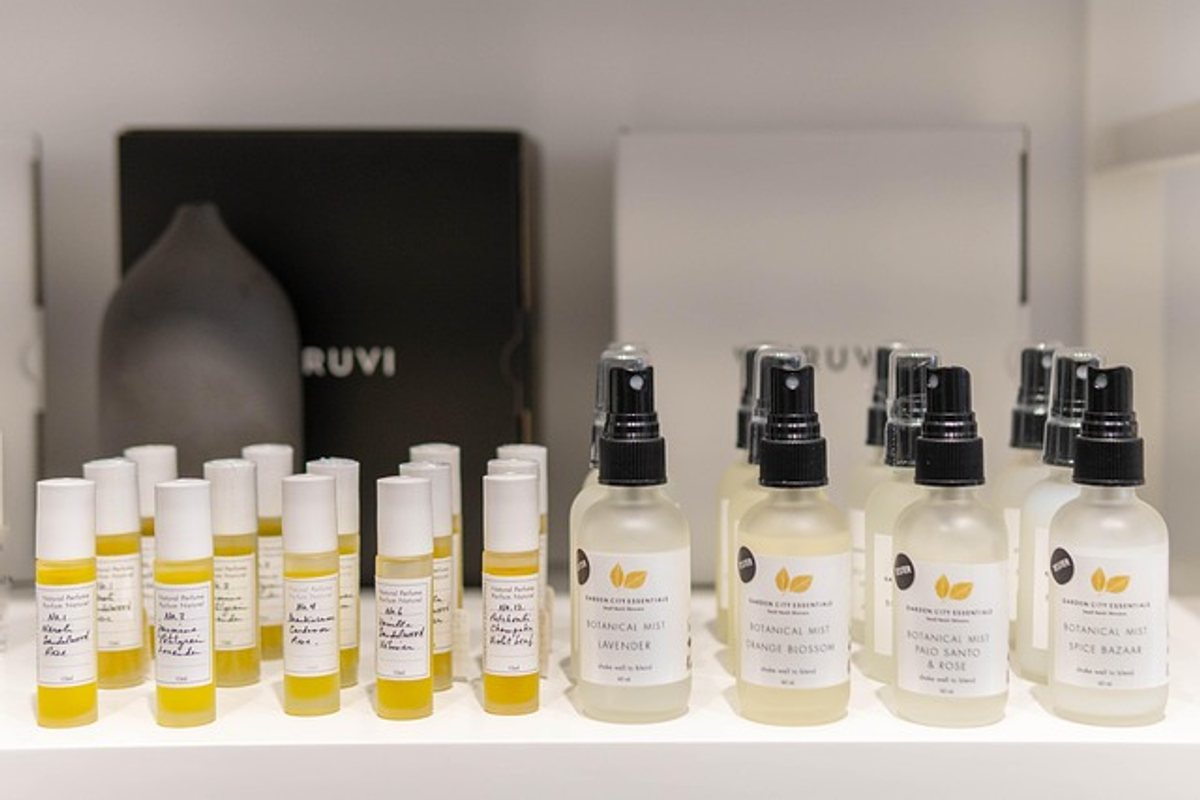
Fragrance, essential oils, and botanical extracts are not automatically harmful, but they can complicate sensitive or allergy-prone skin. “Fragrance-free” and “unscented” are not always identical. If a product repeatedly causes trouble, compare lists across products and discuss suspected contact allergy with a dermatologist rather than banning dozens of ingredients by internet rumor.
Packaging can matter as much as the list
Vitamin C, retinoids, and other unstable ingredients need protection from light, air, or contamination. An opaque pump may preserve a formula better than a clear open jar. Check the period-after-opening symbol, storage directions, and whether color or odor has changed. A sophisticated list cannot rescue a product stored badly for a year.
The takeaway
Use INCI to verify actives and avoid known problems, then judge the finished product by packaging, directions, and how your skin actually responds.