
The Ultimate Guide to Healthy Meal Prep
Meal prep is not a lifestyle brand. It is a way to keep weeknights from defaulting to delivery. The healthy version is even simpler: cook a few building blocks that reheat without turning to paste, season them like dinner instead of like diet food, and leave at least one night for something fresh. If your Sunday ends with twelve identical chicken-and-broccoli boxes, you will cheat by Wednesday. Design for appetite, not for a grid of containers.

Treat Sunday as assembly, not a second shift
A useful prep session lasts about as long as a long podcast, not an afternoon. Roast one sheet pan of vegetables, cook a pot of grains, and handle one protein. That is a week's backbone, not a restaurant commissary. Factor and Sunbasket exist for the nights you cannot even do that—use them as a skip week, not a personality. If chopping is the barrier, HelloFresh-style kits can teach mise en place until you no longer need the cardboard boxes. The test is Thursday: if the food is still something you would serve a friend, the plan worked. If it is a gray brick, you overcooked it on Sunday.
Build plates from parts, not identical boxes
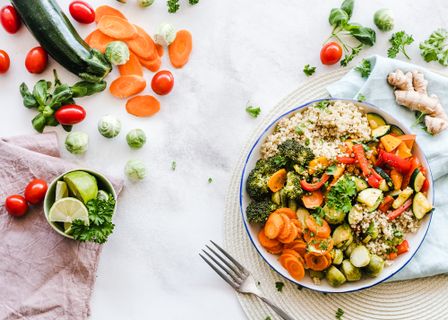
The same grilled chicken becomes a grain bowl, a wrap, and a salad if the sauces change. Make a bright one (salsa, chimichurri, yogurt-tahini) and a rich one (pesto, peanut, a mustard vinaigrette). Cook grains that hold—farro, brown rice, quinoa—not delicate pasta that turns to glue. Keep one vegetable raw or quickly sautéed so the week still has crunch. Daily Harvest bowls can cover breakfast so dinner prep stays dinner. ButcherBox in the freezer means you are not staring at the meat counter at 6 p.m. Healthy here means fiber, protein, and plants you recognize—not a macro spreadsheet taped to the fridge.
Containers, labels, and the safety you skip
Cool food before it goes sealed into the fridge or you will trap steam and sour the batch. Shallow containers beat deep tubs. Label the date; three to four days is the honest window for most cooked proteins, not a week of wishful thinking. Freeze extra rice and beans in meal-size packs. Glass is nicer; thin plastic is fine if it is what you will actually wash. Instacart or FreshDirect can restock lemons, herbs, and yogurt midweek so the prep does not have to include every garnish. Food safety is not a vibe. It is the reason Thursday's chicken is still a good idea.
Flavor systems that survive the third day
Bland prep is why people quit. Salt the cooking water. Roast vegetables until they take color. Finish reheated food with acid and fat: lemon, vinegar, olive oil, chili crisp. America's Test Kitchen and Serious Eats both publish make-ahead notes for a reason—some dishes improve, some collapse. Soups, braises, and bean stews are prep heroes. Fried things and dressed salads are not. Keep a “fresh kit” in a bag: herbs, scallions, a cucumber. That five-minute garnish is the difference between cafeteria and dinner. If you want a plant-heavy week without a lecture, Thrive Market's pantry (beans, grains, decent oils) is the boring support that makes the cooking possible.
Leave a night unscripted on purpose
A perfect grid of seven identical lunches is a trap. Plan five workdays and let Friday be eggs, leftovers mixed together, or a Whole Foods hot bar without guilt. Over-prepping creates waste when plans change. A skip-week on a meal kit or a Factor order is cheaper than throwing out a drawer of sad quinoa. Healthy meal prep is a habit that flexes. The win is not a photogenic fridge. It is not negotiating with a delivery app at 8:40 p.m. because you have nothing ready that you still want to eat.

The takeaway
Prep the parts, not the identical boxes. One protein, one grain, two sauces, and a midweek fresh hit will beat a Sunday marathon. Thursday still has to taste like food.