
How to Store Food Properly: Kitchen Organization Tips
Most kitchens do not have a food problem. They have a visibility problem: herbs rotting in a bag, spices older than the lease, a freezer that is an archaeological dig. Proper storage is less Pinterest than physics—cold, dry, sealed, labeled. Whole Foods bags and Instacart totes are not a system. A few rules and a Sharpie are.
The fridge is zones, not a closet
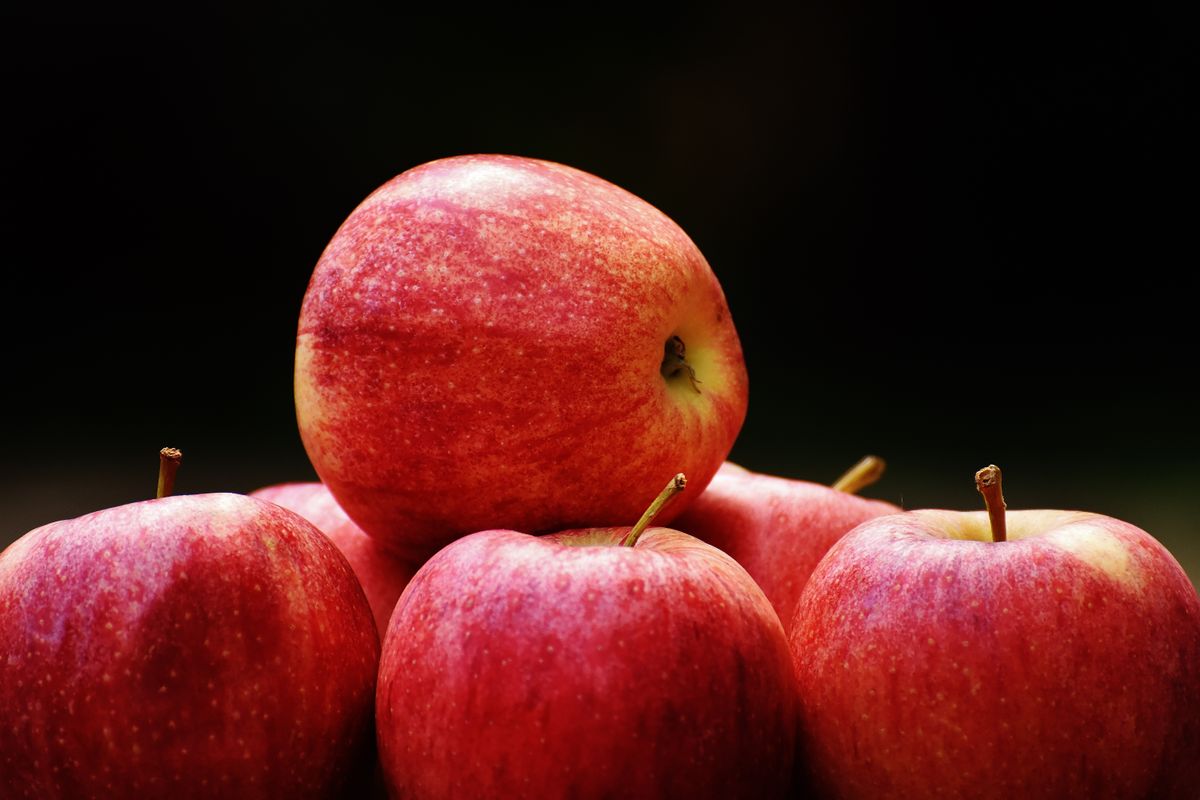
The door is the warmest place—condiments, not milk. Raw meat on the lowest shelf in a tray so it cannot drip. Leftovers in shallow containers, labeled, eaten in a few days. Ethylene producers (apples, avocados) will bully greens; give them space or a separate drawer. America's Test Kitchen and the USDA keep repeating this because people still store chicken above berries. Wipe the shelves. A clean fridge is a food-safety tool. FreshDirect and grocery delivery make it easy to overfill; leave air so cold can move. If you cannot see it, you will not eat it.
Counters, pantries, and what never belongs in the fridge
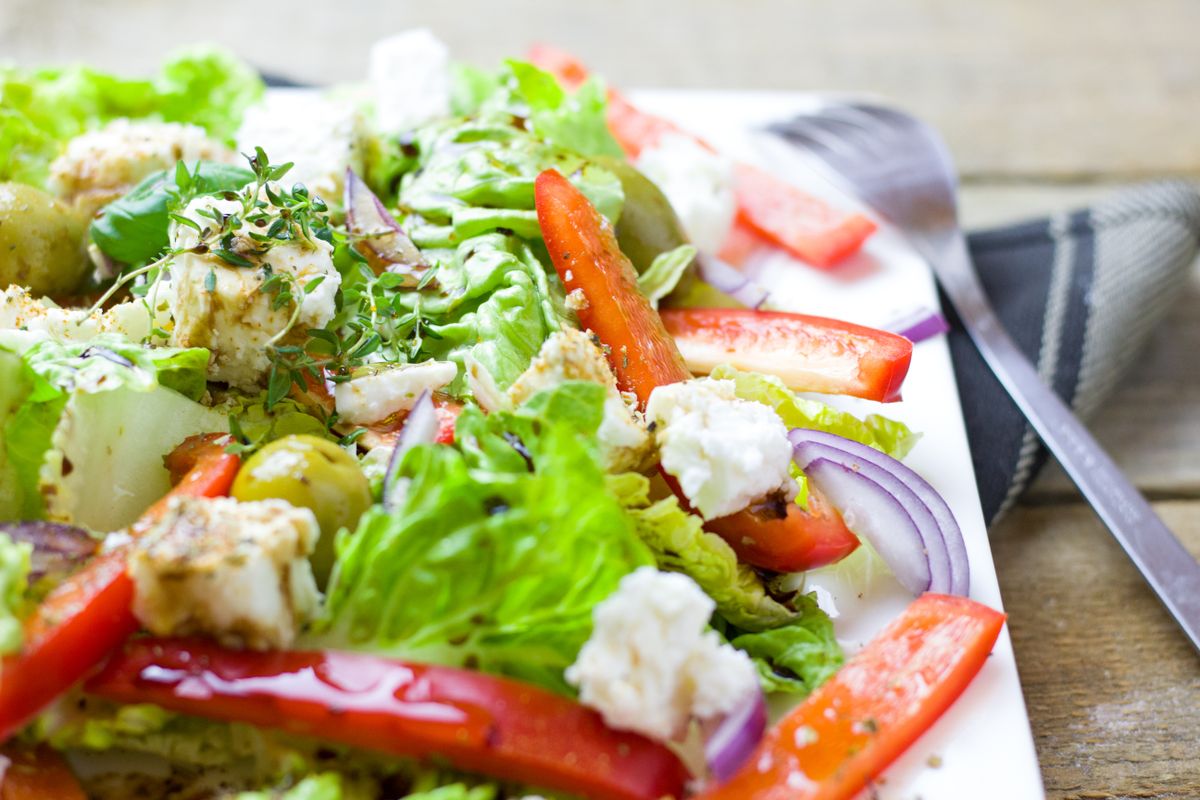
Tomatoes, potatoes, onions, garlic, bread (unless your climate is hostile), and most whole fruit do better out. Potatoes and onions apart. A dark, dry pantry beats a pretty open shelf in a sunny kitchen for oils and grains. Thrive Market bulk bags need clips and dates. Whole-grain flours go in the freezer if you bake slowly. Spices in a hot cabinet above the stove are how paprika becomes dust. Buy smaller. Replace when the smell is gone. Organization is not matching jars. It is putting the olive oil where you actually cook.
Freezer logic so the archive stays food
Freeze flat in bags, label with contents and month, and keep an inventory on the door. ButcherBox only helps if you can find the second pack of ground beef. Soups and cooked beans freeze well; fried things and mayonnaise salads do not. Vacuum sealers are nice; freezer-safe bags pressed empty are enough. Rotate: new things to the back. A chest freezer is a farm-to-table tool if you buy a case of peaches or a side of something; it is a graveyard if you do not inventory. Date everything. Mystery foil is not dinner.
The small kit that keeps produce alive
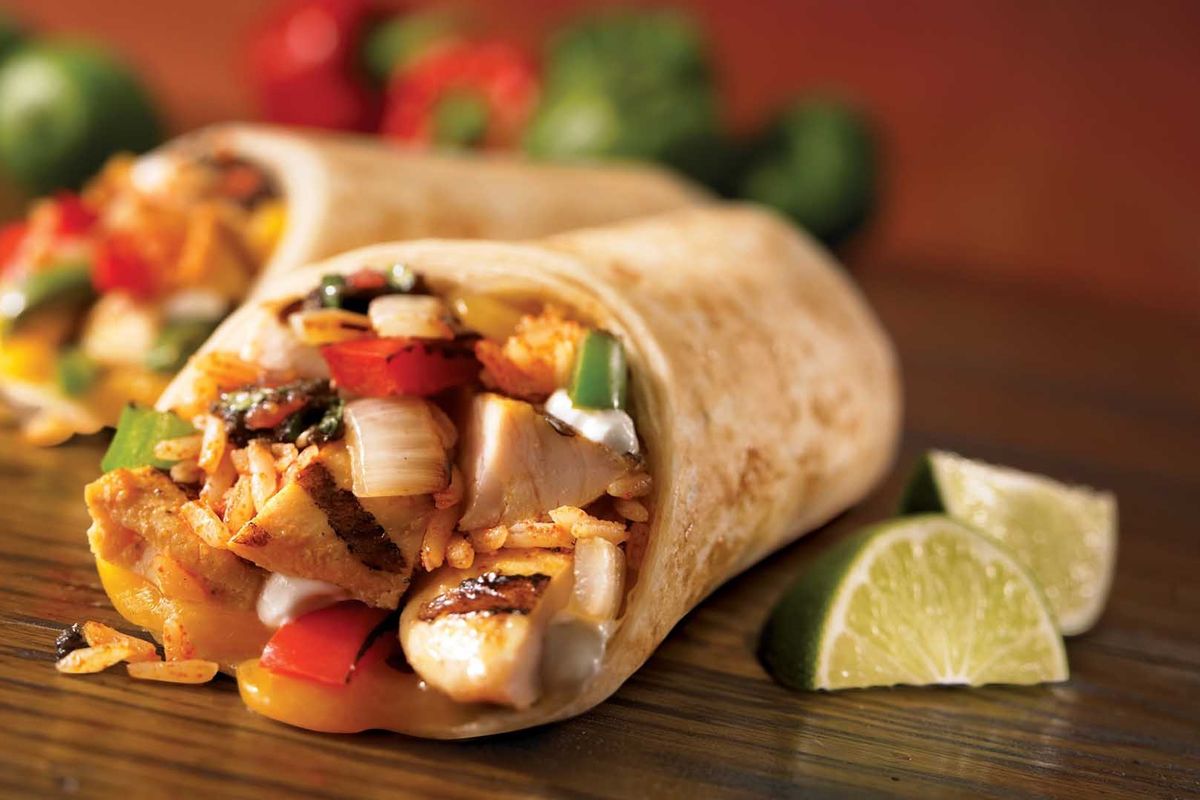
A salad spinner, a few glass boxes, beeswax or reusable wraps, and a roll of painter's tape for labels will outperform a $200 “fridge organizer” set. Dry greens. Stand herbs in water. Use the crisper humidity sliders if you have them—high for leaves, low for fruit that rots wet. Misfits Market boxes need immediate triage: cook, freeze, or store correctly the day they arrive. Kitchen organization is a weekly ten-minute reset, not a renovation. The metric is less trash, not prettier shelves.
The takeaway
Zone the fridge, date the freezer, and keep food where physics wants it. If you can see it and name its day, you will eat it.


