

Sustainable Eating: How to Make Eco-Friendly Food Choices
Climate food advice often sounds like a purity test. Real kitchens run on what is for sale, what will get eaten, and what the trash looks like on Friday. The high-leverage moves are unglamorous: less waste, more plants as the default, ruminant meat as a sometimes food, and skepticism toward packaging that weighs more than the snack. Misfits Market, a CSA, and a well-used freezer will usually beat a cart of carbon-labeled novelty products.
Waste is the first climate leak in the kitchen
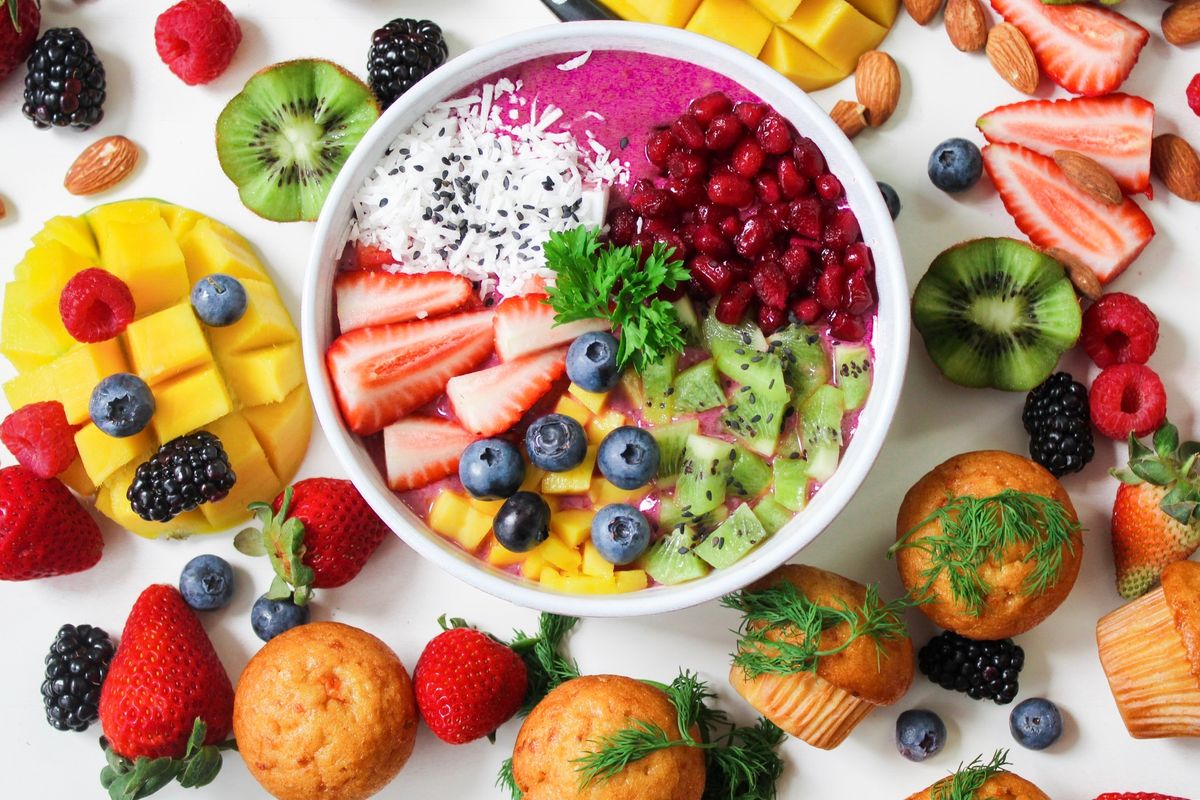
Food that rots in the drawer already spent water, fuel, and farm labor. Buy what you will cook. Freeze bread, stock, and extra sauce. Cook the fragile produce first. A “use it up” fried rice on Thursday is an environmental policy. Misfits Market and similar surplus boxes only help if the volume matches your household; a box of twelve cucumbers is not a virtue if six go slimy. Compost if your city supports it. Recycling a clamshell does not undo a forgotten roast. Track what you throw out for two weeks. That list is your shopping reform.
Plants as default, meat as a decision
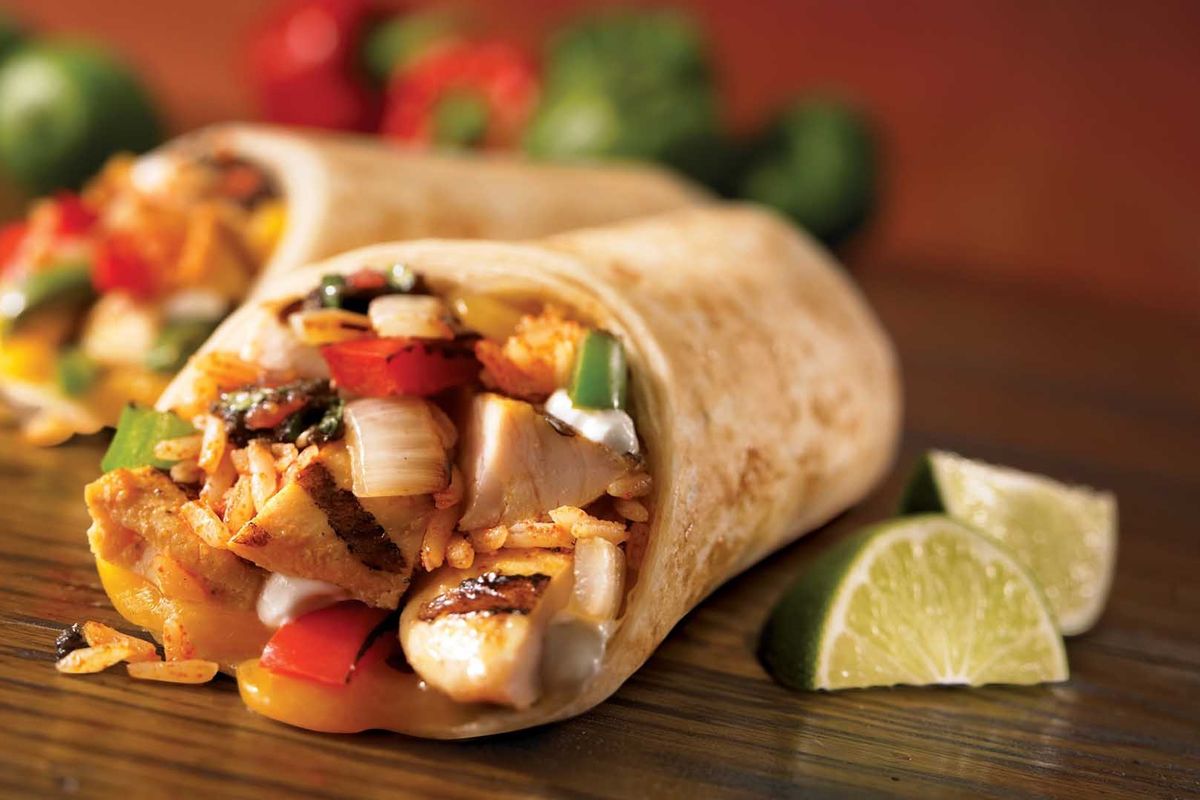
You do not need a manifesto to eat more beans, grains, and vegetables. You need recipes you like. NYT Cooking and Serious Eats both have deep vegetarian archives that are not an afterthought. When you do buy meat, fewer better portions from ButcherBox or a local butcher beat a daily cheap burger unknown origin. Dairy and eggs have their own footprints; swapping some meals to oat or skipping the third cheese is a lever, not a religion. Factor and other prepared services can be wasteful in packaging—use them when they prevent takeout, not as a second stream of plastic.
Packaging, miles, and the story on the box
Local is not always lower-impact (a hothouse tomato in winter can lose to a field tomato that traveled). Season still helps. Dry beans in a bag beat a four-layer “eco” snack pouch. Thrive Market's bulk-ish pantry can reduce emergency runs. Wine.com ships bottles; that is a different conversation than Tuesday dinner. Meal kits (HelloFresh, Blue Apron, Sunbasket) trade food waste for cardboard and ice packs—honest trade if they stop you from spoiling a whole chicken, less honest if you already cook tight. Read claims. “Carbon neutral” stickers are marketing until you see the method.

Seafood, oils, and the labels that mean something
Seafood is a minefield of names. Look for ratings from groups that publish methodology (Monterey Bay Aquarium's Seafood Watch is the practical phone tool), not a cartoon fish. Olive oil and coffee have certification alphabets; a roaster or mill you can name often beats a logo salad. Whole Foods' responsibly farmed tags are a start, not a finish. Frozen wild fish can be a better choice than “fresh” that was thawed in the case. Sustainable eating is a pattern: beans on Monday, a careful fish on Friday, vegetables that were in season, leftovers that get eaten. Perfect is not on the menu.
The takeaway
Cut waste first, make plants the easy default, and treat meat and packaging as decisions. A used freezer and a short shopping list outperform a cart of green stickers.


